If your family owns an old house on a good plot in Delhi, you have probably been approached about collaboration. Builders also call it joint development. The idea is simple, but the details decide whether it works out well for you. This guide explains it in plain words.
What is a builder collaboration?
In a collaboration, the landowner provides the plot and the builder provides everything else: drawings, approvals, demolition, construction, lift and finishing. The builder bears the full construction cost. When the new building is ready, the floors are divided between the landowner and the builder in the ratio agreed at the start.
The landowner gets brand-new floors without spending on construction. The builder earns by selling its share of the floors.
Why families choose it
- No construction cost. You don't need to arrange money for building.
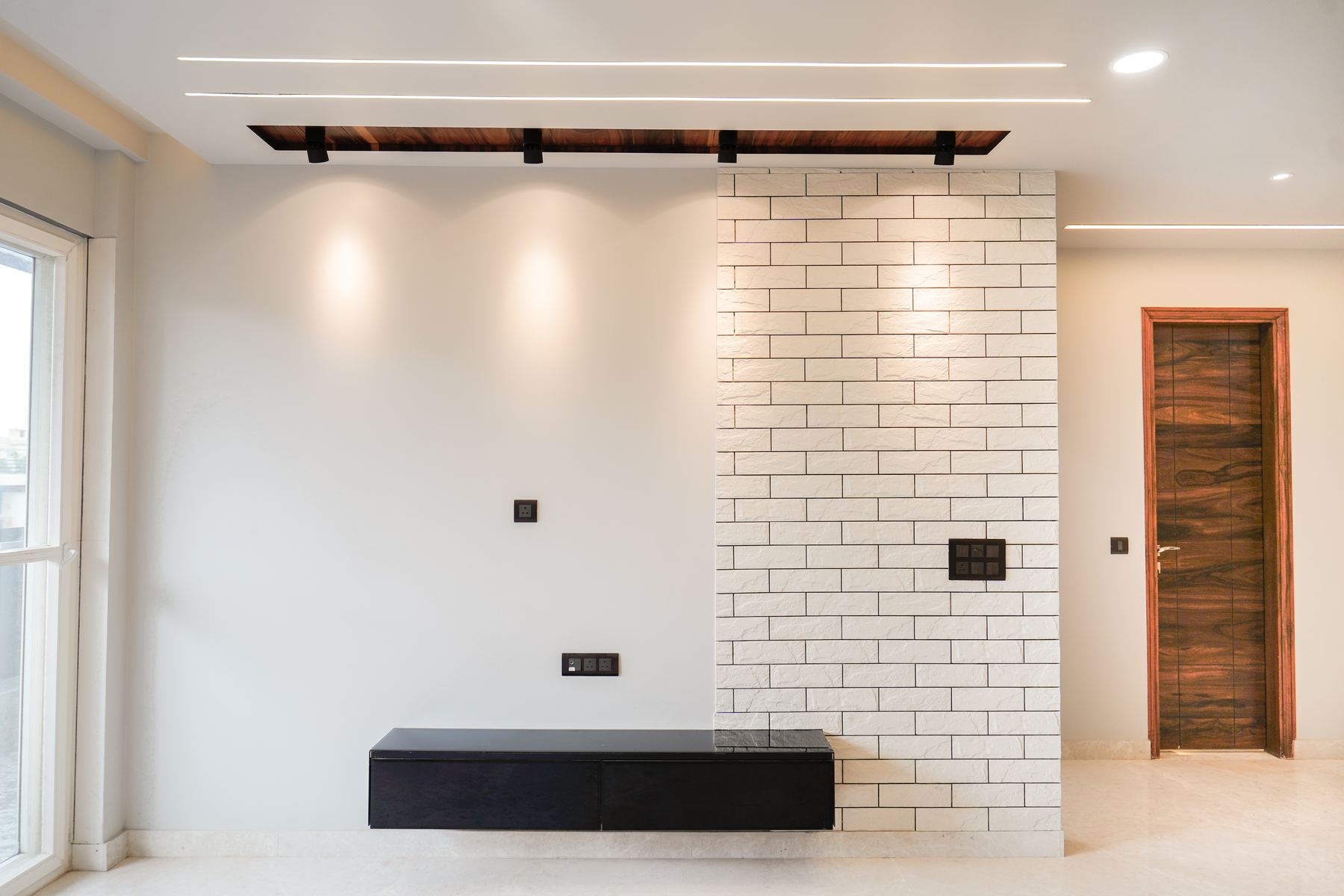
- A modern building. An old single house becomes a stilt-plus-four building with lift and parking.
- Better value. New floors on a good plot are usually worth far more than an old house.
- No site management. Contractors, materials, approvals and supervision are the builder's job.
How the floor share is decided
There is no fixed formula. The share depends on:
- Plot size and shape, and the width of the road in front
- The colony and how much floors sell for there
- How many floors and what height the rules allow
- The specification the building will be built to
- Any extra terms, such as rent support during construction
A serious builder will visit the plot first and only then give you a proposal. Be careful with anyone who quotes a share over the phone without seeing the site.
Questions to ask before you sign
- Which floors are mine? Get the exact floors (and parking) written into the agreement, not just a percentage.
- What is the specification? Ask for a written annexure listing steel, cement, marble, fittings, lift and woodwork. Your floors should be built to the same standard as the builder's.
- What is the timeline? Ask for a written start and completion schedule.
- Who handles approvals? The builder should handle the building plan sanction and related paperwork.
- What has the builder already built nearby? Visit finished buildings and talk to the families living there.
Documents you will usually need
For a first discussion, keep the sale deed or conveyance deed, property tax receipts, ownership or mutation records, ID proof of all owners and any existing building plan ready. If several family members own the property, all of them should be part of the agreement.
At Babaji Buildcon, every collaboration starts with a site visit and ends with a written agreement and annexure, so you know exactly what you will get before work begins. See how our collaboration works.